Left-Arm Orthodox Spinner Explained: Types of Deliveries, Batting Difficulty & Why They Take Wickets
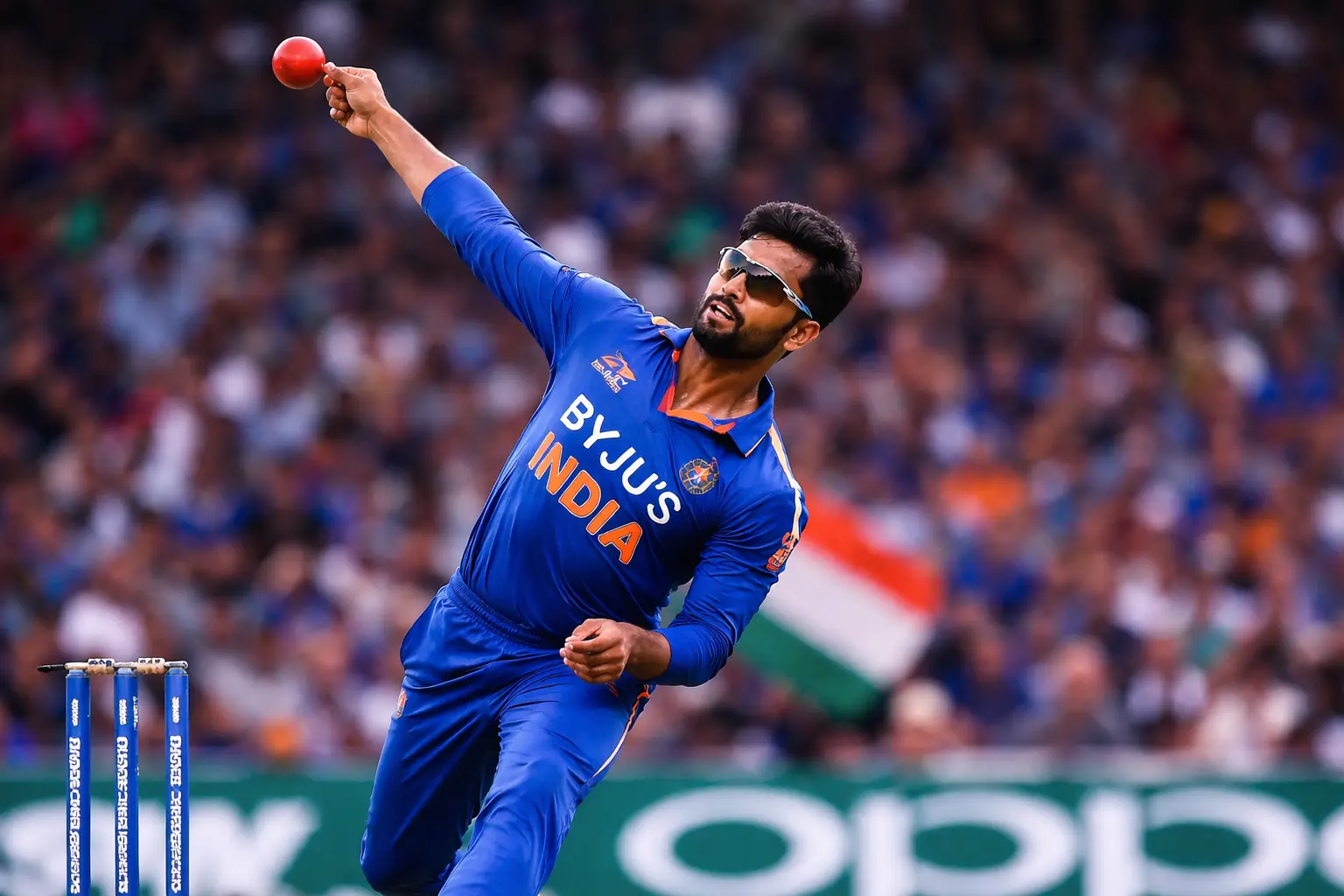
Left-arm orthodox spinners are considered among the most controlled and intelligent bowlers in cricket. They bowl with the left hand using their fingers to impart spin, usually turning the ball from off stump to leg stump against right-handed batters. Renowned bowlers like Mitchell Santner, Ravindra Jadeja, Axar Patel, and Shakib Al Hasan belong to this category.
Types of Deliveries Bowled by a Left-Arm Orthodox Spinner
Stock Ball: This is the primary delivery, offering slight turn with excellent control. It is used most often to build pressure and restrict runs.
Arm Ball: This delivery does not spin; instead, it goes straight on with the arm. Batters expecting turn often misjudge it, leading to LBW or bowled dismissals.
Flighted Delivery: Bowled with more loop and airtime, this delivery tempts the batter to come down the pitch. If mistimed, it creates chances for stumping or catches.
Slider / Skidder: This ball skids on quickly and stays low, making timing difficult and frustrating batters into poor shots.
Which Deliveries Are Easier and Which Are More Dangerous?
Easier: The stock ball and flatter deliveries are relatively easier for experienced batters to handle, especially in T20 cricket where batters quickly read the line and length.
More Dangerous: The arm ball and flighted delivery are the biggest wicket-takers. Batters often misread these variations, resulting in dismissals.
What Types of Wickets Do Left-Arm Orthodox Spinners Take Most Often?
- LBW and Bowled: Through the arm ball
- Stumping: Off well-disguised flighted deliveries
- Mid-on / Long-off Catches: Due to mistimed attacking shots
Why Are These Bowlers Considered Dangerous?
Left-arm orthodox spinners are dangerous not because of sharp turn, but because of deception. They force batters into making incorrect decisions through subtle variations in pace, flight, and angle. This is why, in limited-overs cricket, these bowlers are highly effective at both controlling runs and taking crucial wickets.